Quick Answer: IT Asset Management (ITAM) helps small businesses save money by identifying unused software subscriptions, duplicate applications, unnecessary licenses, and aging hardware. By knowing exactly what technology you own, use, and pay for, you can eliminate waste and plan smarter for future IT expenses.
Most businesses know how many employees they have. But ask how many laptops, software subscriptions, cloud applications, and licenses they’re paying for, and the answer may not be quite as clear.
That’s where IT Asset Management comes in.
What Is IT Asset Management?
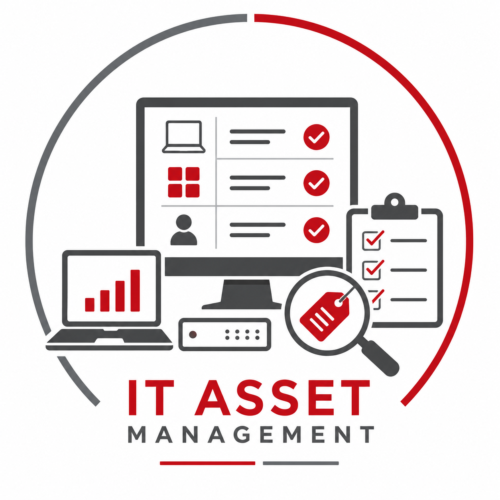
IT Asset Management is the process of tracking and managing your company’s technology throughout its lifecycle—from the day you purchase it until it’s replaced or retired.
That includes things like:
- Computers, laptops, and mobile devices
- Software and cloud applications
- Microsoft 365 and other user licenses
- Servers and networking equipment
- Warranties and replacement dates
Having this information in one place gives you a clearer picture of where your technology budget is going—and where money may be slipping through the cracks.
Four Hidden IT Costs Businesses Often Miss
1. Ghost Accounts
An employee leaves, but what happens to all their software subscriptions?
If licenses aren’t properly removed or reassigned during offboarding, your business could continue paying for them month after month.
One forgotten subscription may not seem significant. Multiply it across several employees and applications, however, and the waste adds up quickly.
2. Redundant Software
Technology gets added over time. One department adopts one tool while another starts using something similar.
Before long, your business may be paying for several applications that essentially do the same thing.
An IT asset review can uncover opportunities to consolidate tools and simplify your technology environment.
3. Premium Licenses with Basic Usage
More expensive doesn’t always mean better.
An employee may have a premium software license but only use features available in a lower-cost plan. Matching licenses to actual job requirements can reduce costs without taking away anything employees need.
4. Aging Equipment
Holding onto an old computer may seem like a way to save money, but eventually the opposite becomes true.
Older equipment can mean slower performance, more support calls, greater security risks, and frustrated employees. A planned hardware replacement schedule helps you budget for upgrades before outdated equipment starts costing you in productivity.
How Do You Conduct a Basic IT Asset Audit?
Start by answering six questions:
- What hardware do we own?
- What software and subscriptions are we paying for?
- Are licenses assigned only to current employees?
- Which applications and features are actually being used?
- Can anything be eliminated or consolidated?
- Which devices will need to be replaced soon?
You don’t need to eliminate everything that isn’t used daily. The goal is to understand what you’re paying for and make intentional decisions about what stays.
Know What You Have Before You Buy More
IT Asset Management isn’t simply about keeping an inventory list. It’s about making smarter decisions with your technology budget.
When you know what you have, who’s using it, what it’s costing you, and when it needs to be replaced, you can reduce unnecessary expenses while avoiding surprise technology costs.
IT Radix helps businesses take control of their technology assets, uncover unnecessary spending, and build a practical roadmap for what comes next. Before investing in more technology, let’s make sure you’re getting the most from what you already have.