
Quick Answer: The biggest security risks in co-managed IT include unclear responsibilities, excessive administrator access, inconsistent security standards, limited monitoring visibility, and slow incident response. Businesses can reduce these risks by clearly defining responsibilities, standardizing security practices, and ensuring their internal IT team and Managed Service Provider (MSP) work together.
Two IT teams should mean stronger security, right?
Ideally, yes.
Co-managed IT gives your business access to additional expertise, resources, and support without replacing your internal IT team. But when responsibilities aren’t clearly defined, important security tasks can fall through the cracks.
And when it comes to cybersecurity, “I thought they were handling that” is never a good answer.
Here are seven security risks to watch for and how to address them.
1. Unclear Security Responsibilities
Who’s responsible for installing patches, monitoring threats, checking backups, or responding to security alerts?
If both teams assume the other is handling something, important tasks may never get done.
How to fix it: Document responsibilities and assign one accountable owner for every critical security function. Review those assignments regularly.
2. Too Many Administrator Accounts
When your internal IT staff and MSP both have elevated system access, unnecessary permissions can increase security risks.
More privileged accounts mean more opportunities for compromised credentials or accidental changes.
How to fix it: Follow the principle of least privilege, require multifactor authentication (MFA), use individual administrator accounts, and regularly review access permissions.
3. Inconsistent Cybersecurity Standards
Your internal team might follow one patching schedule while your MSP follows another. One group may use different security tools or procedures.
These inconsistencies can create gaps in your protection.
How to fix it: Establish shared standards for patching, endpoint protection, monitoring, and security response. Both teams should follow the same expectations.
4. Limited Visibility into Security Threats
What happens when your MSP receives an important security alert, but your internal IT team never sees it?
When monitoring tools and information are separated, warning signs can be missed.
How to fix it: Establish shared visibility into relevant monitoring tools, alerts, and security reports. Both teams should know how concerns are communicated and escalated.
5. Confusion During a Cybersecurity Incident
When a potential security incident occurs, every minute matters.
If nobody knows who should investigate, contain a threat, contact leadership, or coordinate recovery, unnecessary delays can make matters worse.
How to fix it: Develop a documented incident response plan with clear responsibilities, escalation procedures, and decision-makers. Test the plan periodically.
6. Poor Employee and Provider Offboarding
Former employees, contractors, or service providers shouldn’t retain access to company systems after it’s no longer needed.
In a co-managed environment, unclear offboarding responsibilities can leave accounts and permissions active longer than necessary.
How to fix it: Establish a consistent process for removing access, updating credentials when appropriate, and reviewing administrator permissions whenever employees or providers change.
7. Compliance and Accountability Gaps
If your business must meet cybersecurity or regulatory requirements, unclear responsibilities can create additional problems.
An MSP might manage the technical safeguards, but your organization still needs oversight of its compliance obligations.
How to fix it: Document security and compliance responsibilities, establish reporting expectations, and involve qualified compliance professionals when necessary.
How Can You Make Co-Managed IT More Secure?
The good news is that these risks are manageable.
A successful co-managed IT partnership should include:
- Clearly defined security responsibilities
- Consistent cybersecurity standards
- Appropriate administrator access
- Shared monitoring and communication
- A documented incident response plan
- Regular security and accountability reviews
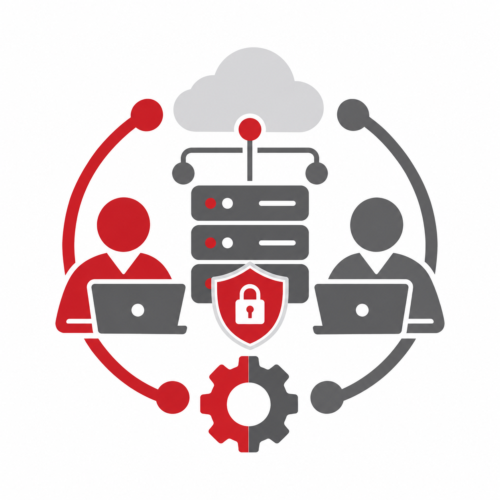
The goal isn’t to have two teams independently protecting your business. It’s to have two teams working together as one coordinated IT operation.
Frequently Asked Questions
Is Co-Managed IT Secure?
Yes, co-managed IT can provide strong security when responsibilities are clearly defined and both teams follow consistent procedures.
Who Is Responsible for Cybersecurity in Co-Managed IT?
Responsibilities are shared according to the service agreement, but each critical security task should have a clearly designated owner. Your business should maintain appropriate oversight.
Can Co-Managed IT Improve Cybersecurity?
Absolutely. An MSP can provide specialized cybersecurity expertise, additional monitoring capabilities, and resources that complement your internal IT team.
Stronger Security Starts with Better Teamwork
The biggest co-managed IT security risk isn’t always the technology. Sometimes it’s the lack of communication and clarity between the people managing it.
When your internal IT team and MSP understand their responsibilities, follow consistent standards, and communicate effectively, you create a stronger security foundation.
At IT Radix, we work alongside internal IT teams to strengthen cybersecurity, improve visibility, and make sure important responsibilities don’t fall through the cracks.
Want to make sure your co-managed IT partnership is protecting your business? Contact IT Radix. We’ll help you identify potential gaps and build a more secure, coordinated IT environment.