
Quick Answer: Shadow IT occurs when employees use software, cloud services, applications, or devices without the knowledge or approval of the company or its IT team. While these tools may seem harmless, they can create cybersecurity risks, expose company data, increase unnecessary spending, and make compliance more difficult.
An employee needs to send a large file, so they create a personal Dropbox account.
A department wants a new project management tool, so someone signs up with the company credit card.
Another employee discovers an AI application that makes their job easier and starts uploading company information to it.
None of these employees are necessarily trying to bypass IT. They’re just trying to get their jobs done.
But they’ve also created Shadow IT.
What Is Shadow IT?
Shadow IT refers to technology being used for business purposes without approval or oversight from the organization or its IT team.
Common examples include:
- Personal cloud storage accounts
- Unapproved SaaS applications
- Individual Zoom or other software subscriptions
- Department-purchased software
- Unauthorized browser extensions
- Personal devices used for company information
- AI tools that haven’t been reviewed or approved
The challenge is simple: You can’t properly manage or protect technology you don’t know exists.
Why Do Employees Use Shadow IT?
Most Shadow IT starts with convenience rather than malicious intent.
An employee may need a feature their current software doesn’t provide. A new app may seem faster or easier. A department may not realize another team already pays for a similar solution.
The signup process for cloud software also makes Shadow IT incredibly easy. An employee can create an account, enter a credit card, and start using a new application within minutes.
Easy for the employee? Absolutely.
Easy for the business to manage? Not necessarily.
What Are the Risks of Shadow IT?
1. Security Vulnerabilities
Before your business adopts new software, someone should determine whether it meets your security requirements.
Does it support multifactor authentication? How is your data protected? Who can access it? What happens if an employee leaves?
With Shadow IT, those questions may never be asked.
2. Company Data Can End Up in the Wrong Places
Employees may upload customer records, financial information, internal documents, or other sensitive data to applications the company hasn’t approved.
This has become especially important with the growth of generative AI tools. Employees may not realize that pasting company information into an AI platform could create data privacy or security concerns.
3. You’re Paying for Things You Already Have
One department subscribes to a project management platform. Another pays for a different one. Several employees have individual subscriptions for tools already included in software the company owns.
Small monthly charges can quietly become significant annual expenses.
Shadow IT can make it difficult to see exactly what your organization is paying for and whether those tools are actually necessary.
4. Compliance Becomes More Difficult
Businesses in regulated industries may have specific requirements for storing, accessing, retaining, and protecting information.
When company data is scattered across unapproved applications and personal accounts, demonstrating compliance becomes much more challenging.
5. Offboarding Gets Complicated
What happens when the employee who created that account leaves?
If IT doesn’t know the application exists, the account may remain active. Company information could be left behind, access may never be revoked, and the organization may continue paying for the subscription.
How Does IT Asset Management Reduce Shadow IT?
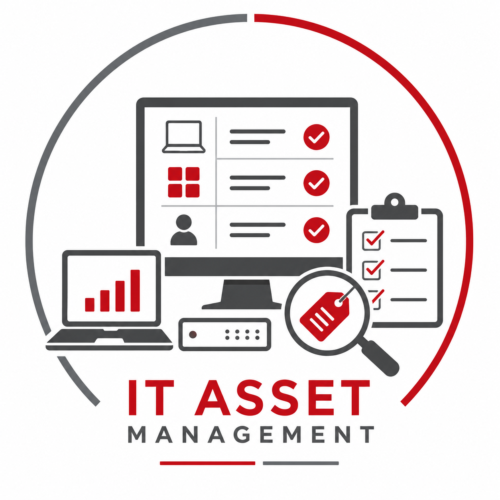
A strategic IT Asset Management program gives businesses greater visibility into the technology being used throughout the organization.
That includes more than computers and servers. It should also account for software, SaaS subscriptions, cloud services, licenses, and other technology employees use to do their jobs.
ITAM can help businesses establish:
- Centralized software purchasing and approvals
- An inventory of approved applications
- License and subscription tracking
- Regular software usage reviews
- Employee onboarding and offboarding processes
- Better visibility into technology spending
The goal isn’t to prevent employees from finding better ways to work. It’s to make sure new technology is evaluated before company data, security, and money are committed to it.
Do You Know What Technology Your Employees Are Using?
That’s the real question behind Shadow IT.
If the answer is “not completely,” your business may have more technology, subscriptions, and data exposure than you realize.
At IT Radix, we help businesses gain better visibility into their technology environment through strategic IT Asset Management. By understanding what’s being used, who is using it, and what it’s costing, businesses can reduce unnecessary spending and risk while still giving employees the tools they need to succeed.
Because when it comes to your technology, what you don’t know can cost you.